
Practice area
California Real Estate Attorneys
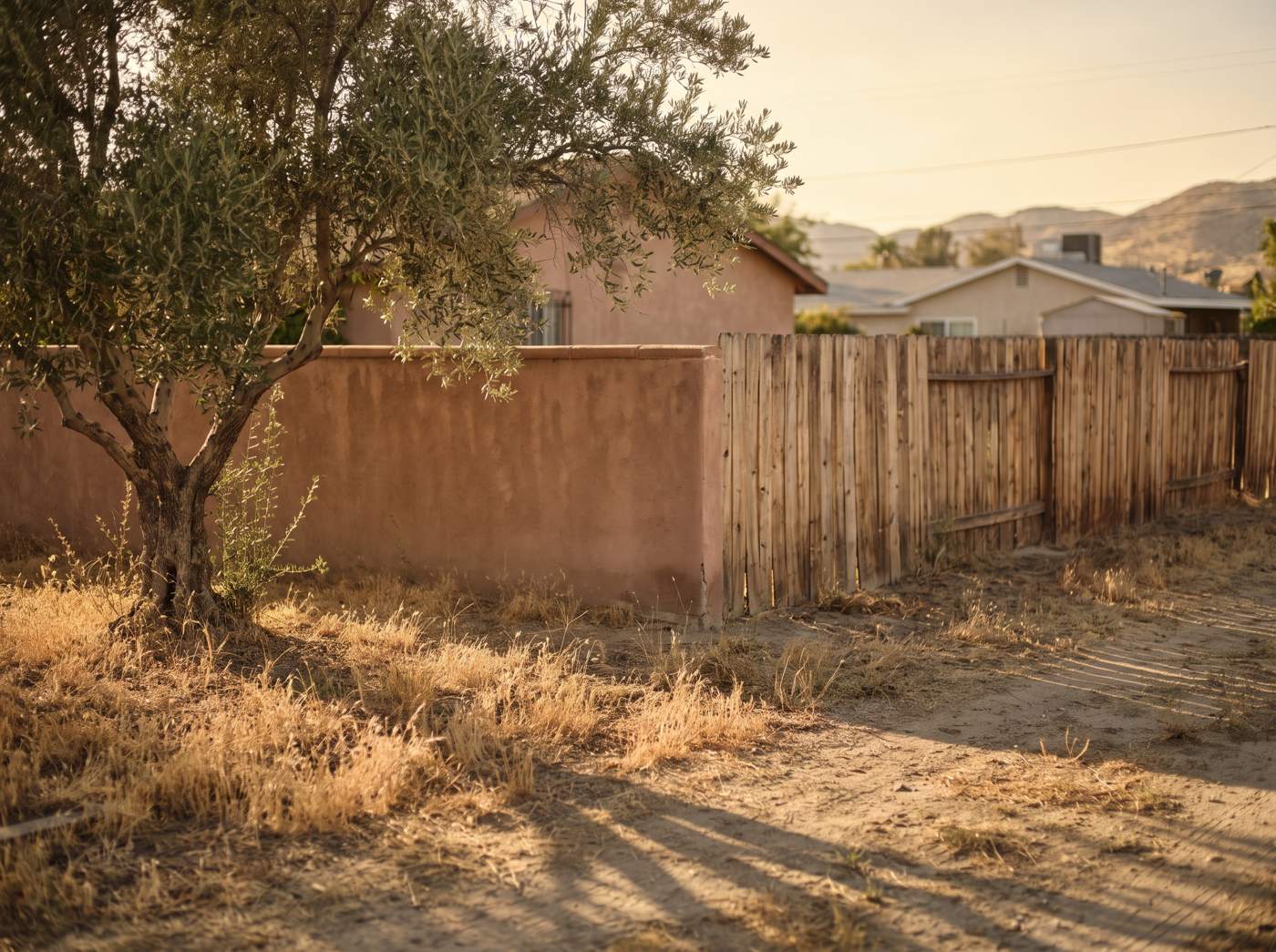
Real property disputes have a way of stopping everything else. A sale cannot close, a refinance stalls, a family cannot settle, or a neighbor will not move a fence that has been in the wrong place for years.
We handle the litigation side of California real property. When the question is who owns what, where the line actually runs, or whether a transfer should stand, that is the work we do.
Real Estate matters
Real Estate Litigation
When a property dispute reaches the point where letters have stopped working, the case goes to court. That is the part we prepare for from the first call.
Code of Civil Procedure section 392Quiet Title
A quiet title action asks the court to decide, once and for all, who owns the property and on what terms.
Code of Civil Procedure section 764.010Partition Actions
When people who own a property together cannot agree what to do with it, partition is the court process that ends the deadlock.
Code of Civil Procedure section 874.311 and followingAdverse Possession
Adverse possession is how someone can acquire title by occupying land, and it is also the claim we most often defeat on a single element.
Code of Civil Procedure section 325Easement Litigation
An easement dispute is usually about one thing: someone can no longer get to, or use, something they have always been able to get to.
Title Fraud
A deed that was forged is void, not merely voidable, and that distinction decides most of these cases.
Recording and noticeNon-Disclosures
You bought the house, then you found the thing the seller knew about and did not tell you.
Civil Code section 1102 and followingForeclosure Defense
This is litigation over a foreclosure that should not have happened. It is not a loan modification service.
Civil Code section 2924 and followingCommon questions
Can my sibling force the sale of the house we inherited in California?
Generally yes. Once title is in your names, any co-owner can go to court and force a sale or a buyout through what California calls partition. Before a court-ordered sale, the owners who did not ask for one usually get a chance to buy out the owner who did.
I just bought a house and found out the neighbor's fence is on my property. Do I have to accept it?
Not necessarily. Get a survey first to be sure you are right. In general a fence belongs to whoever's property it stands on, so a fence inside your line is usually yours. A fence on the line is a common boundary fence, and neither neighbor can change it without the other's permission or a judge's order.
Can I do a quiet title action myself in California, or do I need a lawyer?
You can. Anyone can represent themselves in almost anything. Whether that is wise is a different question: real estate matters are complicated and high in dollar value, and a mistake can cost hundreds of thousands of dollars, so we recommend hiring an attorney.
How much does a real estate lawyer cost in California for a property dispute?
It depends on the case. We usually offer flat fee litigation paid monthly so you can predict the cost. Most of our litigation matters cost about $5,000 to get started, plus the monthly amount and costs such as expert witnesses or filing fees. If you are already facing a trial, arbitration or mediation, the first payment can be higher.