
Los Angeles County
Los Angeles Real Estate and Probate Attorneys
Our Los Angeles office serves clients with real property, trust and estate matters connected to Los Angeles County.
Visit us
Our Los Angeles office
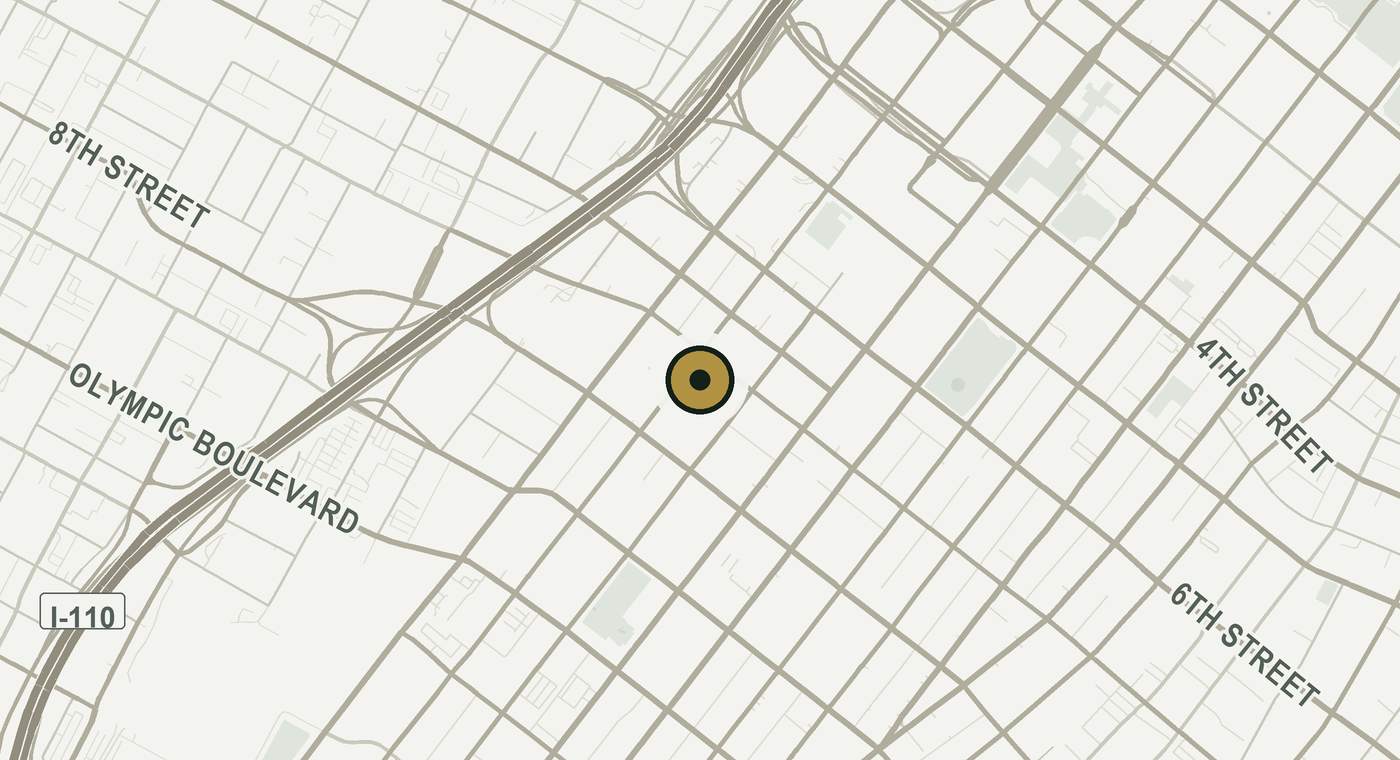
The Los Angeles office address appears below. Use a directions link to open the current route in your preferred map service.
- Address
- 700 Flower St, Suite 1000
Los Angeles, CA 90017 - Telephone
- (800) 997-8008
- Court resource
- Stanley Mosk Courthouse
- Spanish service
- Call to be connected with a Spanish-speaking member of the firm.
Getting here
Arriving at the Los Angeles office
Before visiting
Call first to confirm an appointment and any current building access instructions. No office hours are published until the firm verifies them.
Directions
Use the Google Maps or Apple Maps link on this page for current routing. The interactive map on this page is loaded from Google, which receives your IP address and may set cookies.
What to bring
Bring any notice or hearing paper you received and a list of the people involved. Do not send confidential details before the firm agrees in writing to represent you.
Venue rules for Los Angeles County matters
Code of Civil Procedure section 392 generally places an action to recover real property or determine an interest in it in the superior court of the county where the property is located. The court assigns the courthouse or department under its current rules.
Stanley Mosk Courthouse is listed here as a nearby court resource, not as a promise that a matter will be assigned there. Confirm the superior court's current assignment rules before filing or appearing.
Venue for a real property action follows the property, not the parties. It is the reason we keep four offices rather than one, and the reason the first question on the first call is the address.
Probate and trust matters use different venue statutes. Probate Code section 7051 generally looks to the California decedent's domicile. Probate Code section 17005 generally looks to the trust's principal place of administration, with separate rules for testamentary trusts and other circumstances. Those rules should be applied to the specific matter before a courthouse is selected.
Where the Los Angeles County records are
Recording is done county by county, so for a real property matter this is where the evidence physically lives. In Los Angeles County that is the Registrar-Recorder and County Clerk, 12400 Imperial Hwy, Norwalk, CA 90650.
Recorded deeds, liens and other real property instruments for Los Angeles County property are maintained by the county recorder.
Los Angeles County Registrar-Recorder and County Clerk maintains recorded real-property instruments for the county. Confirm current service methods and visitor information with the county before making a trip.
Los Angeles County property in practice
Los Angeles County Registrar-Recorder and County Clerk maintains recorded deeds, liens and other real property instruments for the county. Those records are often the starting point for a title or boundary analysis.
Real-property, probate and trust proceedings do not all use the same venue rule. The claim, the decedent's domicile, the trust's place of administration and other facts must be checked before selecting a court.
Areas we serve from this office
Downtown Los Angeles, Pasadena, Glendale, Long Beach, the San Fernando Valley, the South Bay. If the property is elsewhere in California, we can still act; the filing simply follows the property to its own county.
Call the firm
Describe the property and the dispute so the firm can assess whether it is a matter it handles.
Call to ask about an initial consultation.
Contacting our Los Angeles office does not create an attorney-client relationship, and please do not send confidential details until we have agreed in writing to represent you.
Our Los Angeles office
5.04 Google reviewsLos Angeles profileOur Los Angeles office Google Business Profile, checked 21 August 2026.Court resource
Stanley Mosk Courthouse 111 N. Hill St, Los Angeles, CA 90012County records
Registrar-Recorder and County Clerk 12400 Imperial Hwy, Norwalk, CA 90650Our other offices
In Los Angeles
What we handle here
Real Estate in Los Angeles
Real property disputes have a way of stopping everything else. A sale cannot close, a refinance stalls, a family cannot settle, or a neighbor will not
Los Angeles CountyReal Estate Litigation in Los Angeles
When a property dispute reaches the point where letters have stopped working, the case goes to court. That is the part we prepare for from the first call.
Los Angeles CountyQuiet Title in Los Angeles
A quiet title action asks the court to decide, once and for all, who owns the property and on what terms.
Los Angeles CountyEasement Litigation in Los Angeles
An easement dispute is usually about one thing: someone can no longer get to, or use, something they have always been able to get to.
Los Angeles CountyPartition Actions in Los Angeles
When people who own a property together cannot agree what to do with it, partition is the court process that ends the deadlock.
Los Angeles CountyEstate & Probate in Los Angeles
Most estates pass without a fight. The ones that do not usually involve real property, a trustee who has stopped communicating, or a change to a plan
Los Angeles CountyProbate in Los Angeles
Probate is the court supervised process of transferring what someone owned after they die.
Los Angeles CountyProbate Administration in Los Angeles
If you have been named to administer an estate, you have taken on legal duties. The people who inherit have the right to hold you to them.
Los Angeles CountyTrust Litigation in Los Angeles
Trust litigation has one deadline that ends more cases than any argument does.
Los Angeles CountyAttorney profiles
Attorneys for this office
Based at our Los Angeles office.
Answers before you call
Visiting the Los Angeles office
Is Stanley Mosk Courthouse the court for every matter from this office?
Which office should I call?
What should I have before the first call?
Can I explain the problem in Spanish?
A matter connected to Los Angeles County?
Call this office and we will identify the venue rules that apply to your matter.
Call (800) 997-8008